
Voice SMS Email Sequences That Convert
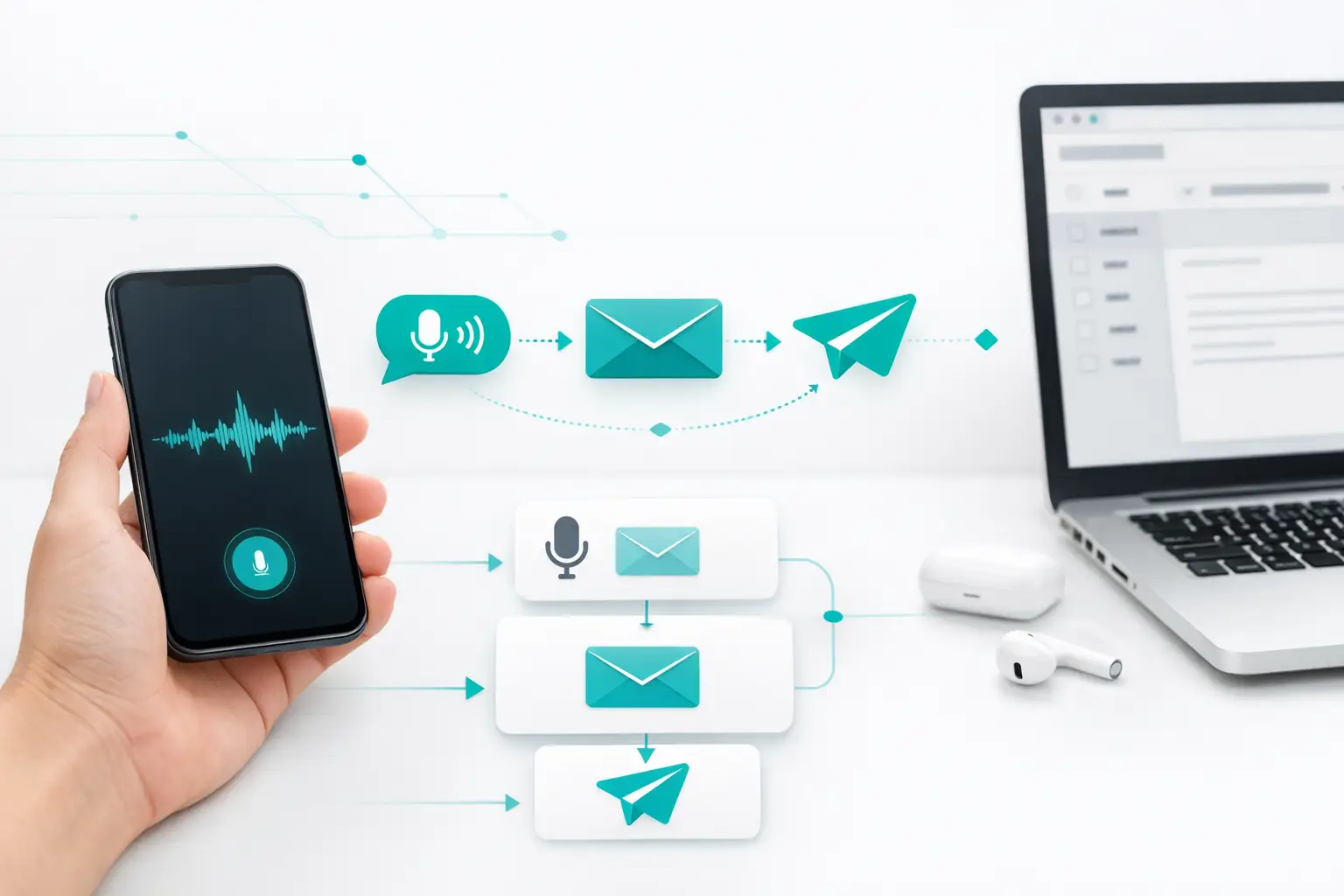
A lead fills out a form at 2:14 PM. Your AI voice agent can call in seconds, your SMS can confirm interest, and your email can carry the details. But if those touches are running in separate tools, the sequence usually breaks where conversion matters most - timing, routing, and accountability. That is the real problem with voice sms email sequences. Not channel selection. Operational control.
For teams that live on booked appointments, qualified conversations, and fast follow-up, multi-touch outreach is no longer optional. One call is easy to miss. One text can get ignored. One email can sit unread. A coordinated sequence gives you multiple chances to connect, but only if every step is aware of the last one. If your dialer, SMS tool, email platform, CRM, and AI voice stack all operate independently, you do not have a sequence. You have a pile of events.
Why voice sms email sequences fail in real operations
Most teams do not struggle with writing follow-up copy. They struggle with execution across systems.
A common setup looks fine on paper. The AI voice agent runs through one provider. SMS comes from another platform. Email sits in the CRM or a marketing tool. Lead data enters from forms, ad platforms, purchased databases with proper licensing, or enrichment sources. Routing logic lives somewhere else. Reporting is split across four dashboards. No single system decides what happens next when a lead answers, reschedules, asks for a callback, or opts for another channel.
That creates predictable failure points. Calls go out after an appointment is already booked. A text fires after a lead asked to stop. Email content does not reflect the call outcome. Reps cannot see the full timeline. Managers cannot tell whether low conversion came from bad lead quality, bad timing, carrier issues, prompt design, or a simple CRM sync failure.
The channel mix is not the bottleneck. Coordination is.
What good voice SMS email sequences actually do
Strong voice SMS email sequences are event-driven. They do not just send touches on a fixed schedule. They react to outcomes.
If the first call reaches voicemail, the system may wait a few minutes and send a short SMS that references the outreach. If the lead replies by text, the next call attempt may pause. If the AI voice agent confirms interest and captures qualification data, the next email should reflect that exact context, not a generic template. If a human rep takes over, the automation should stop stepping on the conversation.
That sounds obvious, but it is where most revenue teams lose efficiency. They automate touches without automating state. The result is channel conflict.
A well-run sequence does three things at once. It improves speed-to-lead, increases contact coverage, and preserves context across every interaction. That matters whether you are booking solar consultations, following up on mortgage inquiries, working insurance leads, or reactivating older pipeline.
How to structure voice sms email sequences by intent
The right sequence depends on the job. Teams often make the mistake of applying one cadence to every lead source and every funnel stage.
Inbound lead capture
For fresh inbound leads, voice should usually go first because intent is highest at the moment of form fill. A fast AI call can qualify, answer basic questions, and route hot prospects immediately. SMS works well as a fallback or confirmation layer. Email supports with details, calendar links, or documentation.
In this motion, the sequence should be compressed. Minutes matter more than days. If there is no answer, your second and third touches need to happen while the lead still remembers submitting the form.
Appointment confirmation and recovery
Once a meeting is booked, the goal changes. You are not chasing contact. You are protecting attendance.
Here, SMS often carries the reminder function better than voice, while voice becomes useful for day-of confirmation or recovery when someone misses the appointment. Email is the place for logistical detail, prep instructions, and reschedule options. The sequence should be lighter and more contextual. Overdoing it creates friction.
Aged lead reactivation
Older leads need a different rhythm. Voice can still work, but not as the only lever. SMS and email often warm the contact before a live or AI call attempt. Messaging should acknowledge timing and offer a simple next step. Aggressive sequences tend to perform worse here because interest is uncertain and data may be stale.
The infrastructure question most teams skip
Sequence strategy gets a lot of attention. Sequence infrastructure gets less, even though it determines whether any strategy survives production.
If you are running AI voice in one system, texting in another, and email from a third, ask a simple question: what is the source of truth for conversation state?
That source needs to know whether the lead answered, what the AI agent learned, whether a human was assigned, whether compliance rules allow the next touch, which number should be used, and what happened across prior channels. Without that layer, every new sequence adds more maintenance burden.
This is why serious operators move away from tool chaining and toward orchestration. The value is not abstract. It shows up in fewer broken handoffs, cleaner reporting, more reliable routing, and less engineering involvement every time the campaign logic changes.
A platform like VoiceUni fits at that operational layer. Not as a replacement for your AI voice provider or CRM, but as the system coordinating them with carrier logic, workflows, reporting, and multi-channel execution. For teams already running Vapi, Retell, HubSpot, Salesforce, Twilio, or lead sources like Apollo and ZoomInfo, that distinction matters. Replacing core tools is disruptive. Orchestrating them is usually the faster path.
What to measure in voice SMS email sequences
If your reporting only shows send volume and reply counts, you are missing the point.
The first metric is time to first touch. For inbound flows, this has outsized impact on contact rate. The second is channel-adjusted contact rate - not just whether someone engaged, but where and after which preceding touch. The third is progression rate between stages such as contacted to qualified, qualified to booked, and booked to attended.
You also need operational metrics. Carrier delivery health, answer rates by number pool, AI transfer success, duplicate contact suppression, and CRM write-back reliability all matter because they shape the real outcome. A sequence that looks efficient in marketing analytics can be a mess in contact center operations.
There is also an attribution trap here. Many teams over-credit the last touch. A lead may book from an email, but only after two call attempts and an SMS reply. If your stack cannot show the full timeline, you will make bad decisions about which channels deserve budget and which workflows need fixing.
Trade-offs: when more channels help and when they hurt
More channels do not automatically mean better performance.
In high-intent inbound use cases, adding voice, SMS, and email usually improves reach because the buyer is actively evaluating options. In lower-intent or older databases, too many touches too quickly can depress response and create noise for the sales team. The right answer depends on lead quality, buying cycle, and how much friction exists before conversion.
There is also a staffing trade-off. If your sequence increases contact rates but your team cannot handle handoffs fast enough, performance may fall instead of rise. The same is true for AI voice deployments. If the agent can qualify at scale but your routing into human reps is weak, you create a better top-of-funnel and a worse buyer experience.
The best sequence is not the one with the most steps. It is the one your operation can support end to end.
Building sequences that survive scale
The easiest sequence to launch is rarely the easiest sequence to maintain. Scale exposes every shortcut.
As volumes grow, you need channel-level failover, number health monitoring, routing logic that can adapt by campaign or lead source, and suppression rules that work across all outreach paths. You also need a reporting model that shows what happened without forcing operators to reconcile five systems by hand.
That is the difference between a campaign and an operating model. A campaign can work for a week. An operating model keeps working when you add new agents, new geographies, new lead sources, and new conversion paths.
For revenue teams built around phone conversations, voice sms email sequences should not be treated as a copywriting exercise. They are an infrastructure problem with conversion upside. Get the orchestration right, and the channels reinforce each other. Get it wrong, and every new tool just adds another place for leads to fall through.
The practical test is simple: when a lead asks what happened, can your team see the full conversation and know exactly what should happen next? If the answer is no, fix that before you add another touch.
More from the VoiceUni Blog.
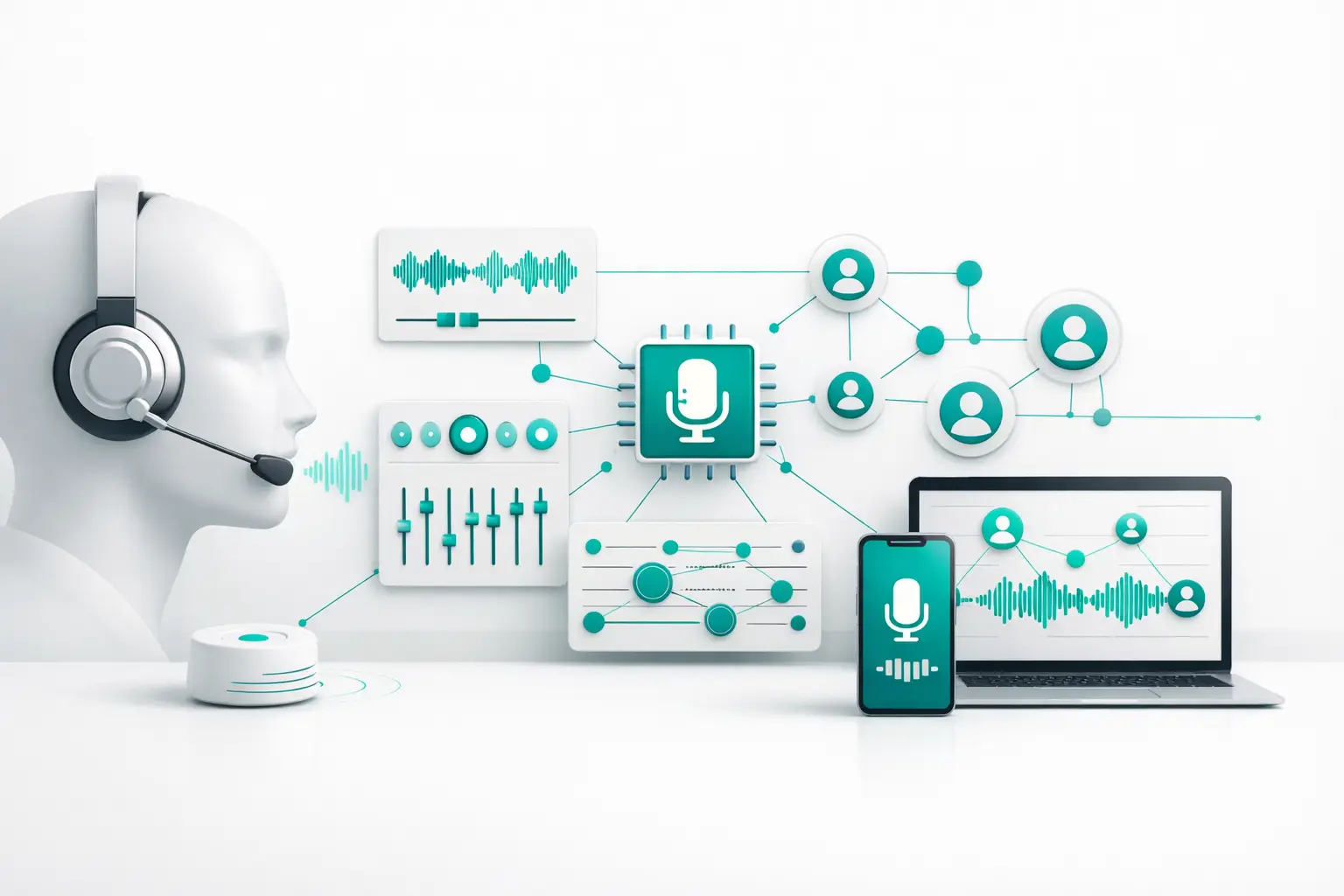
What Is AI Voice Orchestration?
A voice agent can sound impressive in a demo and still fail in production. The usual breakdown is not the model. It is the operating layer around it. That is where the question of what is AI voice orchestration starts to matter. Most teams already understand the agent side. They have a provider for speech and conver...
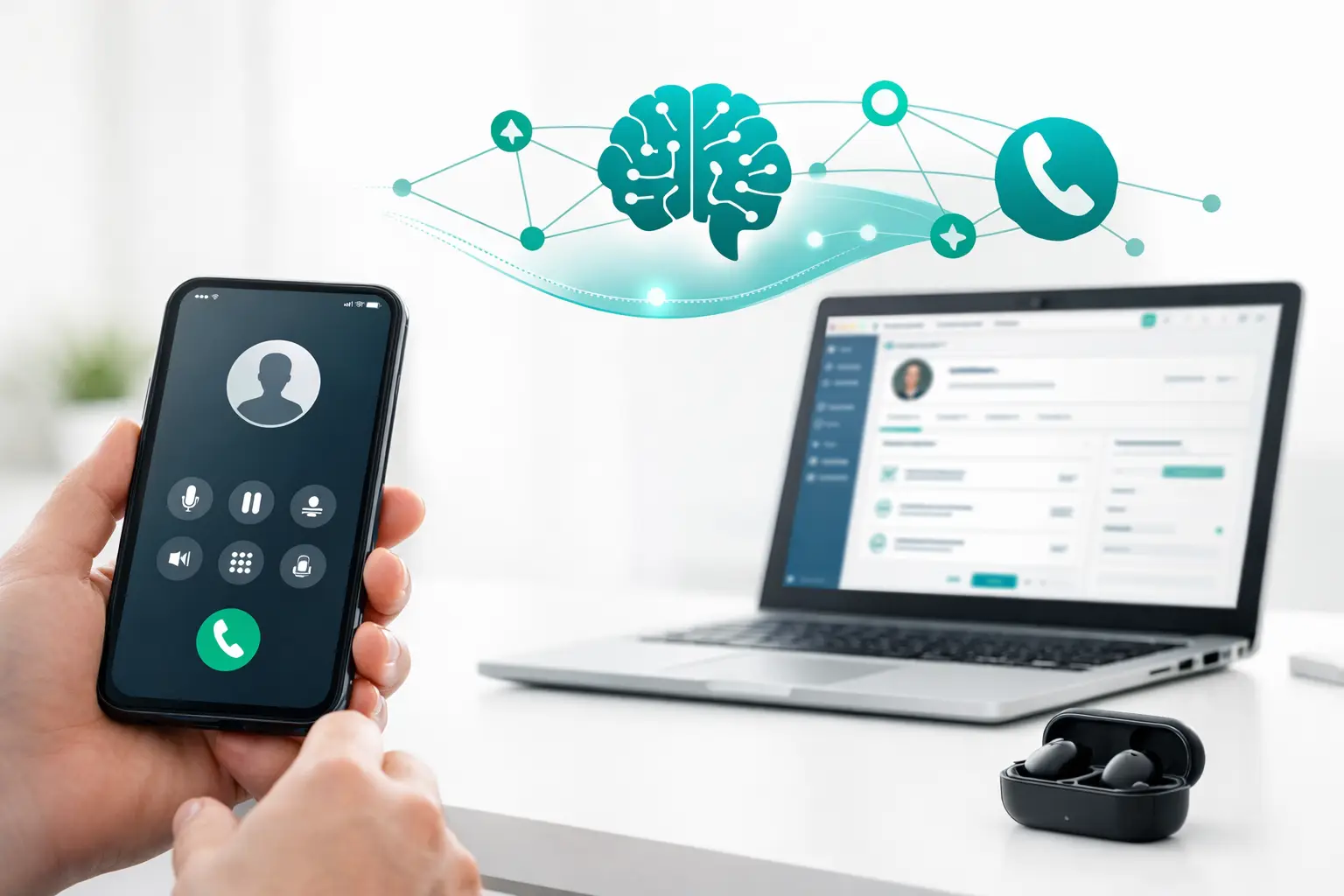
HubSpot AI Calling Integration That Actually Works
Most teams do not fail at AI calling because the voice model is weak. They fail because the HubSpot AI calling integration stops at basic logging while the real work lives in routing, retries, ownership rules, consent handling, and handoff logic. If you are running revenue or service operations through HubSpot, that...

What a Call Center Reporting Dashboard Should Do
If your team is running voice campaigns, inbound support, follow-up sequences, and AI-assisted conversations across multiple systems, reporting usually breaks first. The call center reporting dashboard becomes a patchwork of carrier logs, CRM fields, dialer metrics, and spreadsheets built to answer questions the sta...
Get new posts by email.
One email a month, no spam, unsubscribe anytime.